
www.industryemea.com
04
'26
Written on Modified on
Substitution of Chemical Biocides by Electrolysis in the Paper Industry
Industrial player MPH1865 has deployed BWT’s salt electrolysis technology to secure its process water and reduce the use of chemicals.
www.bwt.com
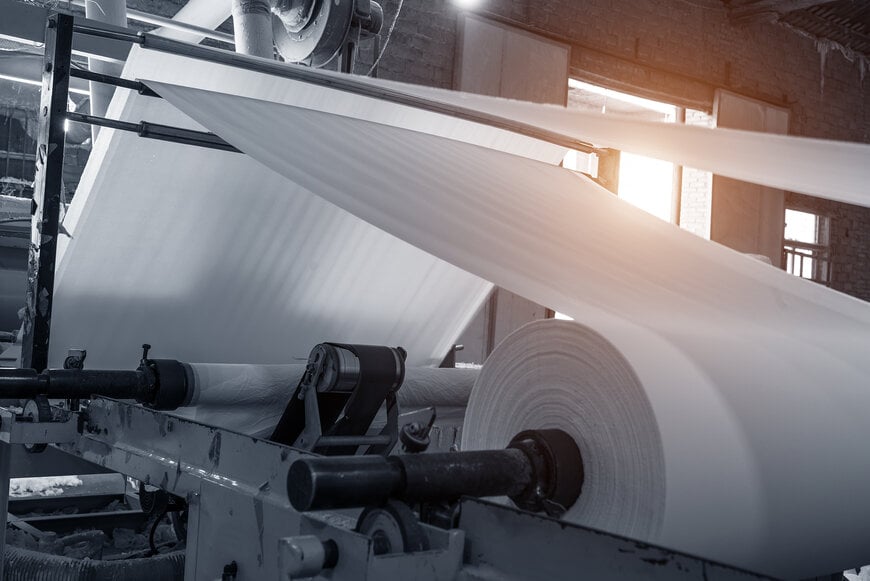
Industry Sector: Paper and cardboard manufacturing.
Application Area: Industrial water treatment and chemical substitution.
The paper and cardboard industry faces strict constraints regarding water treatment. The formation of biofilm within circuits represents the primary cause of production shutdowns. To control this biological growth, manufacturers have traditionally used chemical biocides, such as bromine. These products create logistical constraints related to transport and storage, expose operators to health risks during container handling, and leave factories vulnerable to cost volatility and supply chain disruptions of active ingredients.
Improvement Objectives and Specifications
MPH1865, a WEPA Group entity specializing in the manufacture of paper towel and toilet paper rolls, sought to optimize water treatment processes at its Annonay sites in Ardèche. The objectives were to ensure production continuity, reduce the consumption of chemical inputs, and limit the environmental footprint of the facilities. The specifications required constant biological control of make-up and process water while eliminating risks associated with the handling of hazardous substances by technical personnel.
Deployment of the On-Site Generation System
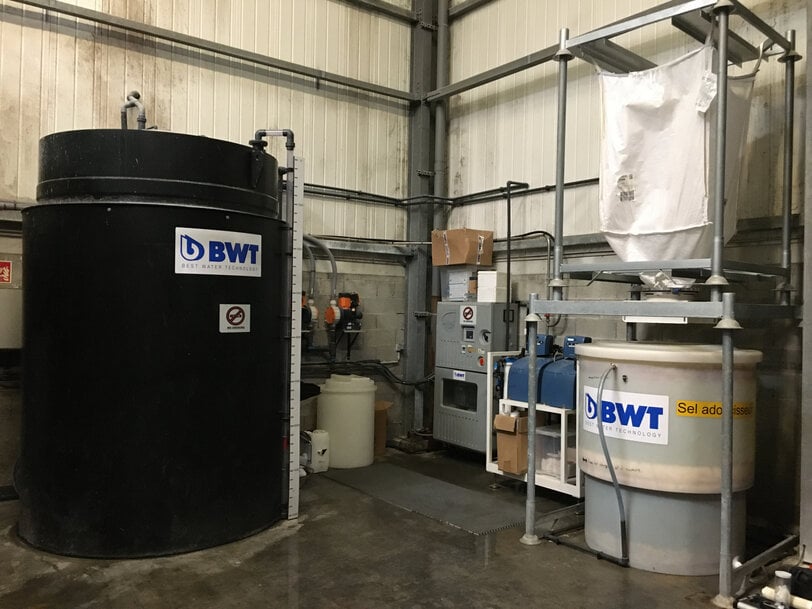
To meet these requirements, MPH1865 selected the ECO-MX technology developed by BWT France. This system is based on salt electrolysis, a process that produces a disinfecting agent directly at the operating site using water, sodium chloride, and electricity.
The manufacturer initially validated the technology at its historic plant. Following this first integration phase, the installation was extended to a new production unit located on the former Canson industrial site. This new infrastructure, dedicated to manufacturing paper pulp from recycled materials without using imported virgin cellulose, was equipped with two additional ECO-MX 27+ generators, bringing the total number of systems in operation to three.
Technical Characteristics and Operator Safety
The in-situ production of disinfectant eliminates the need for the delivery and storage of chemical biocides. The solution generated by electrolysis has a clear Safety Data Sheet (SDS) and is not classified as hazardous to health or the environment. This technical feature ensures operator protection during maintenance phases. MPH1865’s production management confirms that this architecture guarantees reliable biological control of process water circuits while freeing the plant from dependence on commodity chemical suppliers.
Measurable Results and Budgetary Optimization
The deployment of this treatment solution has stabilized fixed operating costs. Within paper industry applications, the transition to salt electrolysis generates reductions of up to 55% in the annual biocide treatment budget. By eliminating road transport associated with chemical products and limiting the pollutant load of aqueous discharges, the plant directly decreases the environmental impact of its manufacturing process. On a national scale, the integration of these systems within the French paper industry has enabled the substitution of 1,000 tonnes of biocide product equivalents per year.
Edited by an industrial journalist, Lekshman Ramdas, with AI assistance.
www.bwt.com
