
www.industryemea.com
26
'26
Written on Modified on
Carrier Transicold Supplies Multi-Temperature Refrigeration Units for Cold Chain
Vector HE 19 MT units with telematics enable real-time monitoring, improved fuel efficiency, and reduced emissions for temperature-controlled logistics operations.
www.carrier.com
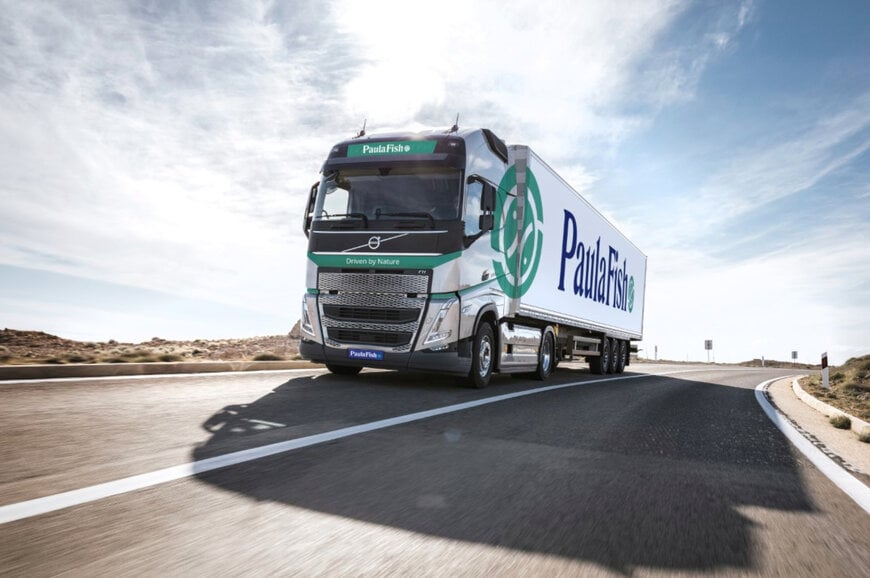
Food processing, cold chain logistics, and temperature-sensitive transport sectors require precise thermal control and fleet visibility to maintain product integrity and regulatory compliance. Carrier Transicold has delivered 30 Vector® HE 19 MT multi-temperature refrigeration units equipped with Lynx Fleet telematics to Paula Fish, supporting the modernization of refrigerated transport operations across Central Europe.
Multi-temperature refrigeration for perishable goods transport
The Vector HE 19 MT units are designed for multi-temperature distribution, allowing simultaneous transport of goods requiring different temperature zones within the same trailer. This capability is particularly relevant for seafood logistics, where fresh, frozen, and processed products may need to be transported together under strict temperature conditions.
The system uses Carrier’s electric E-Drive technology, which converts engine power into electricity to drive the refrigeration unit. This architecture reduces mechanical complexity compared to belt-driven systems and supports consistent cooling performance across varying operating conditions.
An integrated hermetic scroll compressor and economiser enhance cooling efficiency, increasing refrigeration capacity during pull-down by up to 40%. This is critical when rapidly lowering cargo temperature after loading, helping maintain product quality and reduce spoilage risk.
Telematics integration for fleet monitoring and optimization
The Lynx Fleet telematics platform provides real-time visibility into refrigeration unit performance and transport conditions. Parameters such as temperature, fuel consumption, and system status can be monitored remotely, enabling operators to respond quickly to deviations.
Predictive analytics and maintenance alerts help reduce unplanned downtime by identifying potential faults before they lead to system failure. For logistics operators managing high volumes of perishable goods, this reduces operational risk and supports compliance with cold chain regulations.
The platform also enables detailed reporting, which can be used for traceability and customer assurance—an increasingly important requirement in food logistics and distribution.
Supporting sustainable cold chain operations
The deployment of high-efficiency refrigeration units contributes to lower fuel consumption and reduced emissions compared to previous-generation systems. This aligns with broader industry efforts to decarbonize transport refrigeration while maintaining performance standards.
For high-volume logistics operations, such as those handling tens of thousands of deliveries annually, incremental efficiency gains at the equipment level can translate into significant reductions in overall environmental impact.
Application in seafood and temperature-sensitive logistics
The system is particularly suited to seafood transport, where strict temperature control is required to preserve freshness and meet safety standards. Multi-temperature capability allows operators to consolidate shipments, reducing the number of vehicles required and improving route efficiency.
Beyond seafood, similar configurations can be applied in pharmaceutical logistics, grocery distribution, and other sectors requiring controlled temperature environments.
Positioning within refrigerated transport systems
Comparable transport refrigeration solutions are offered by manufacturers such as Thermo King and Daikin Industries, which also provide multi-temperature units and telematics-enabled fleet management systems.
Key differentiators in this segment include energy efficiency, cooling capacity, telematics integration, and reliability under continuous operation. The combination of E-Drive technology and Lynx Fleet telematics positions the Vector HE 19 MT system within this evolving landscape of connected cold chain solutions.
By integrating refrigeration performance with digital fleet monitoring, the deployment demonstrates how cold chain logistics can be optimized for both operational efficiency and sustainability in temperature-controlled transport.
Edited by Natania Lyngdoh, Induportals Editor — Adapted by AI.
www.carrier.com
